


site-specific intervention based on AI generated images
at Temple of Augustus, Pula (Croatia)
THE VAST AUTOMATON
Curated by Giulia Coletti & Bani Brusadin
Industrial Art Biennale 05
factory girl
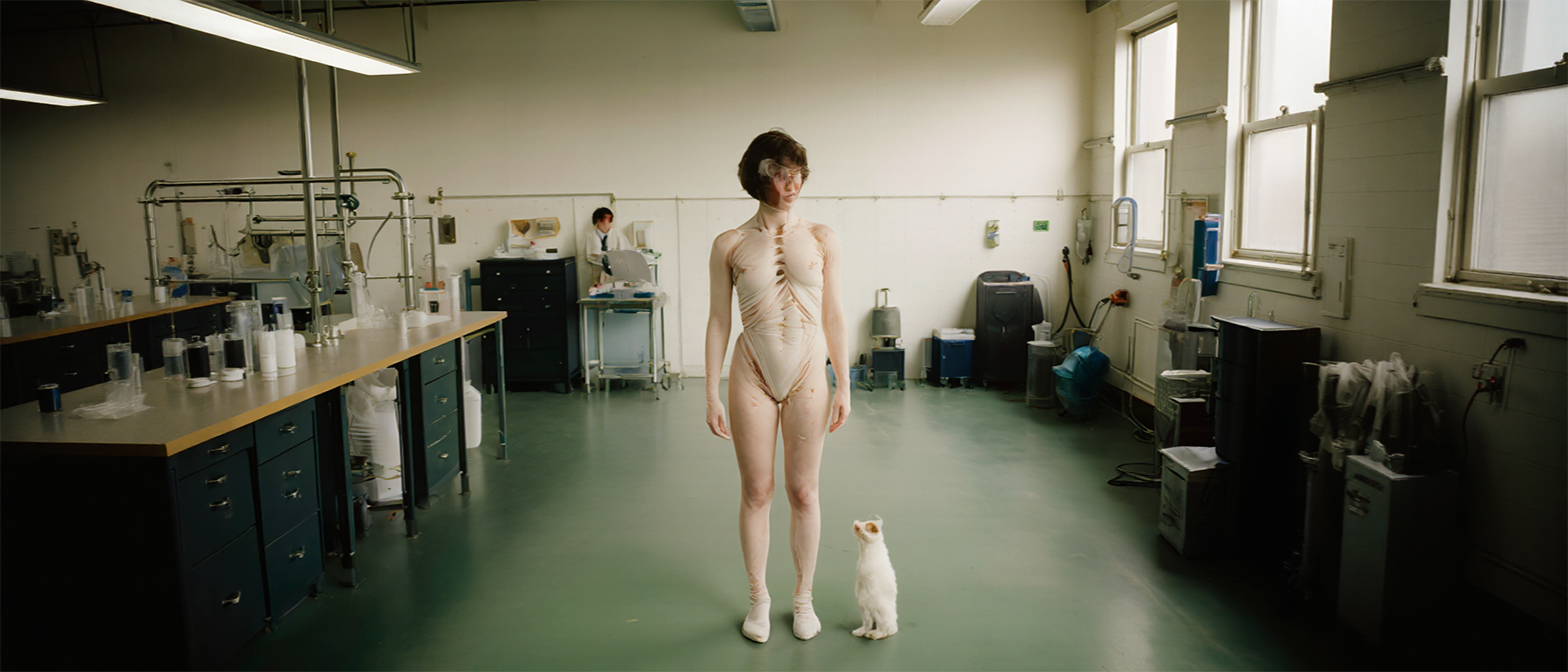
AI works for Plana in the opposite direction of photography. While her ongoing lens-based practice allows a close encounter with the Other and their bodies, AI, an anti-photographic medium par excellence where images have no immediate referent, provides the flexibility to express something felt through several images at the same time, some even existing only in her memory or dreams. Here is where Factory Girl materializes.
She is two-fold, subject and object. She’s both a girl working in the (algorithmic) factory, and the product of a factory that builds subjectivity and bodies. Factory Girl vibrates in the friction between the craftsmanship of haute couture and the cold repetition of heavy industry. Haute couture of subjectivity: stitch by stitch, image by image, a fragile and sophisticated self is constructed under the hammering rhythm of the assembly line. Such a factory is traversed and powered by processes that are extractive, ubiquitous, and outsourced at the same time. It is material and social, as the girl (understood here as a figure unconnected to her age) is a partner, lover, mother, keeper, and helper, loading the weight of the unspoken expectations about the role of a woman in society.
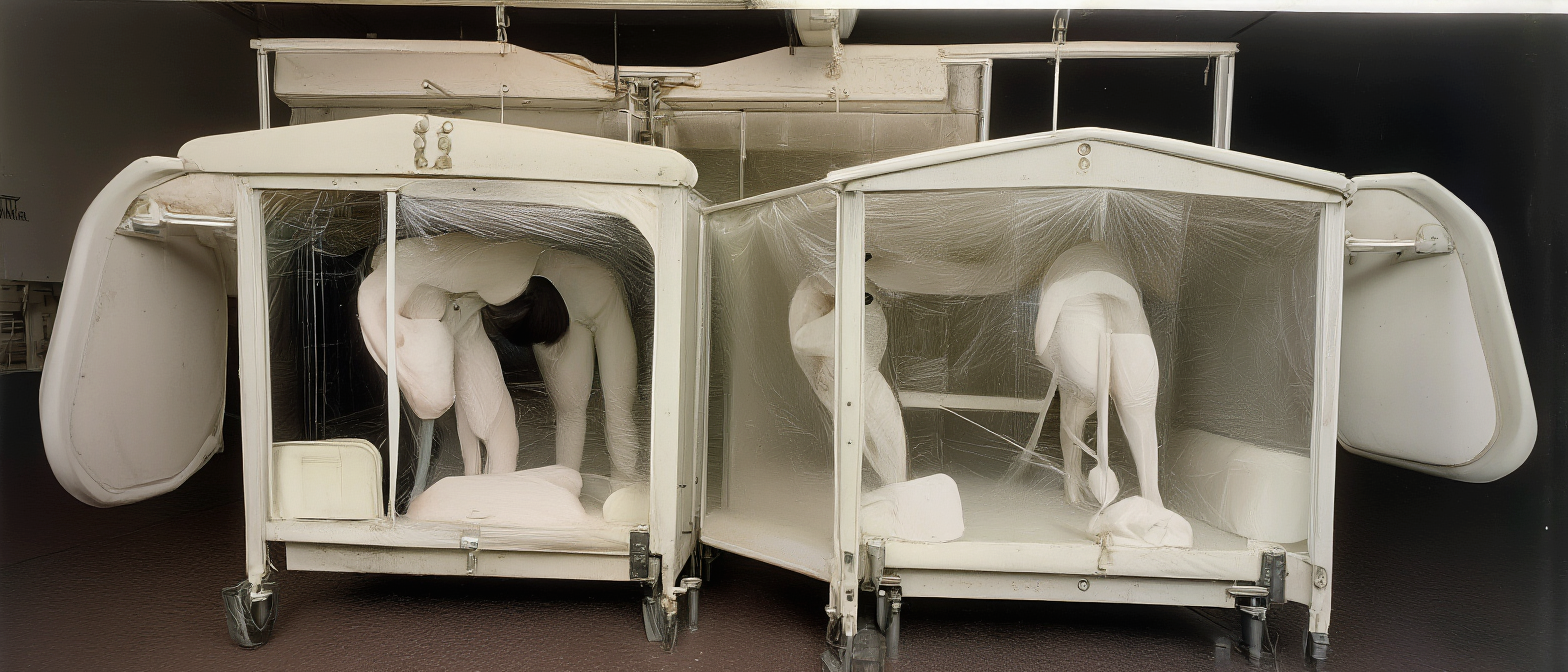
The installation points to a logistics melancholy: the excruciating weight of residues left behind by every gesture. Like a machine that generates more waste than product, each image is also its own trash. AI both liberates and accelerates the rhythm: for every act of creation, three volumes of digital junk. The factory does not only produce objects/subjects, it produces exhaustion, fatigue, excess—an invisible and omnipresent surplus that accumulates in the body as a melancholic burden, a sadness forged in stainless steel.
Mapped onto the urban palimpsest of Pola, Factory Girl operates like a reverse archaeological tool, surfacing the bio-regulatory codes embedded in imperial ruins. The Temple of Augustus was a monument to power through engineering and governance, sublimated in the sacred body of the Emperor. The Kaštel was an emblem of modernity, the place from which the eyes of power observe territory and coordinate soldiers and workers.
Overlapped with these monuments, Factory Girl operates as a double Body without Organs. It reframes a distant heritage as active servers of ideology. At the same time, it does so through Plana’s “collaborative fight” with AI systems, one of the most problematic processes of extraction and standardization, currently in the hands of few powerful men.
The double large scale installation interrogates us, reminding us that, in a last turn of events, the Girl is herself Factory. Her bodies, molecules, moods, and styles are constantly manufactured and operated. And yet, she still is the care-giver in a world of waste. She’s exhausted and melancholic and yet, hopefully, ungovernable.